

Justice

Report
Speaking from experience: what needs to change to address workplace sexual harassment
This report reveals the systemic barriers faced by people who experience workplace sexual harassment and outlines urgent reforms needed to drive lasting, meaningful change. It outlines 11 key recommendations including amending the Sex Discrimination Act 1984, increasing funding for specialist support services and introducing civil penalties for employers who breach their duty under the Act.
Position paper
Human rights-based needs assessment model
This position statement offers recommendations to guide the Australian Government's transition to a new human rights-based needs assessment model. It urges policymakers and stakeholders to embed human rights, co-design and trusted relationships at the centre of this reform. It makes a series of recommendations for implementation.
Report
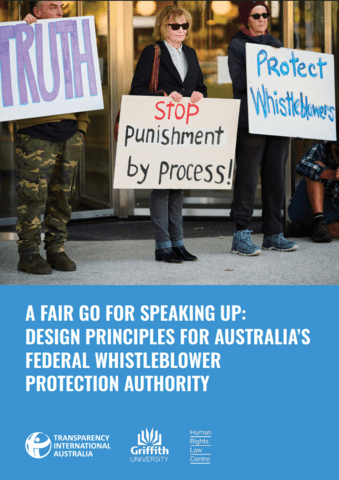
A fair go for speaking up: design principles for Australia's federal whistleblower protection authority
This report details a proposal for a new Whistleblower Protection Authority (WPA) – a new, dedicated statutory agency which would support, protect and empower Australia’s whistleblowers. The WPA would enforce improved legal protections for people who raise concerns about wrongdoing, provide support to whistleblowers and facilitate receipt and referral of whistleblowing disclosures.
Report
Study of tenancy dispute experience and preparedness at NCAT
This report presents findings from the STEP Study – an exploration of how self-represented individuals experience tenancy proceedings at the New South Wales Civil and Administrative Tribunal (NCAT). Findings reveal insights into power dynamics in conciliation, gaps in procedural clarity and the importance of advocacy in tribunal outcomes.
Report
Data-driven insights into NCAT tenancy dispute resolution
This analysis of nearly 40,000 applications finalised in 2024 provides a unique view into how tenancy matters progress through the New South Wales Civil and Administrative Tribunal (NCAT). The report reveals patterns in dispute resolution, party roles, hearing outcomes and procedural timelines. It provides detailed insights into how tenancy disputes are initiated, managed and resolved.